LA Sanitation SAFE Centers Hazardous Waste Los Angeles Official Guide: Locations, Hours, and Accepted Materials
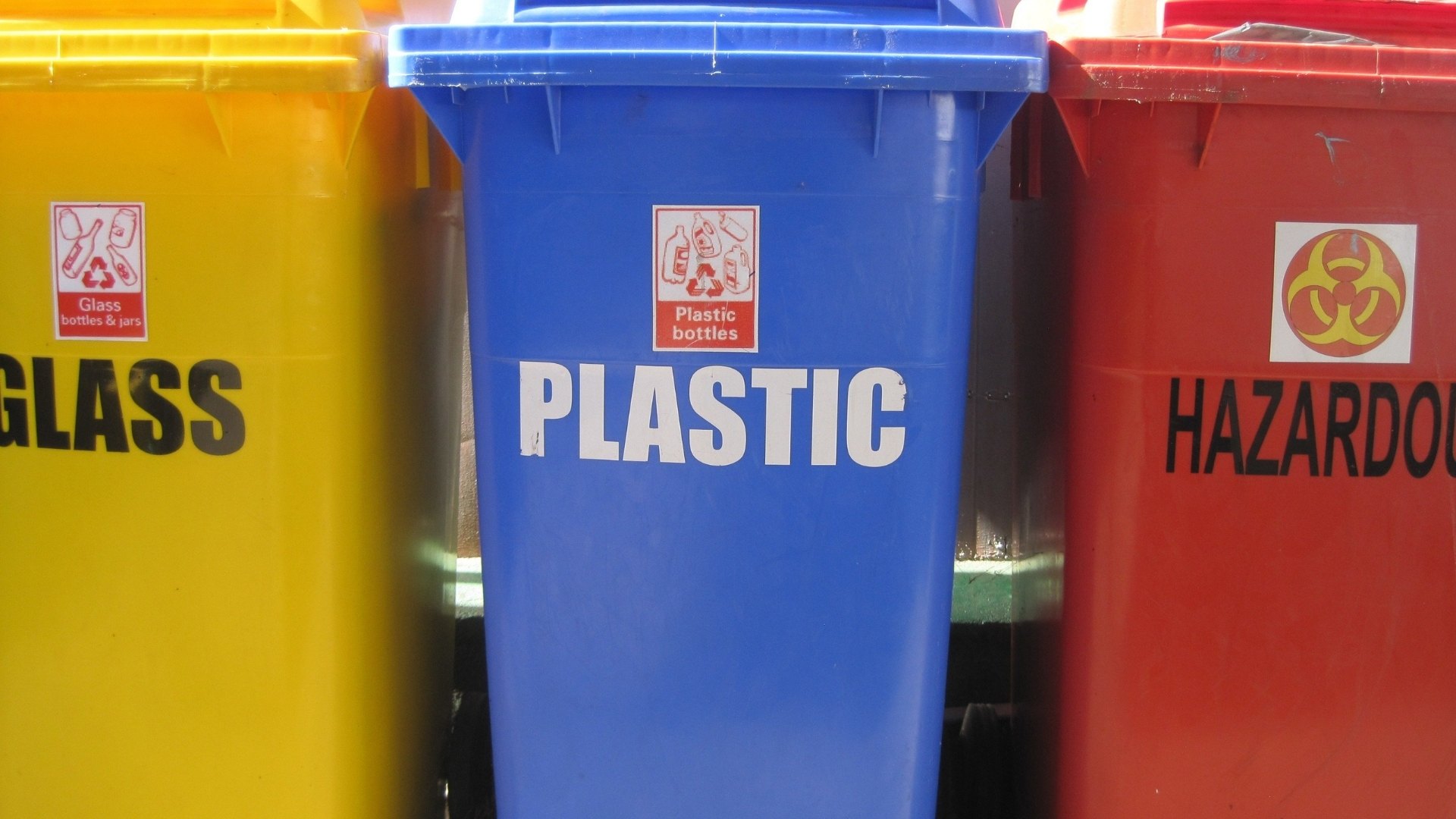
Every year, Los Angeles residents generate millions of pounds of hazardous material that has no place in an ordinary trash bin. Old paint, spent batteries, outdated electronics, and a long list of household chemicals all require a dedicated disposal pathway, and the LA Sanitation SAFE Centers hazardous waste Los Angeles official program exists precisely to provide that pathway, free of charge, to every resident in the city. The network of permanent collection facilities and rotating community events represents one of the most robust residential hazardous waste programs in the country.
Knowing where to go, when to show up, and what the centers will and will not accept is what separates a productive visit from a wasted one. This guide brings together all of that information in one place so that residents can plan their drop-off with confidence and use the program exactly the way it was intended.
Easy Waste Management Is Ready to Handle the Rest
For any household or contractor managing a full-scale cleanout alongside a SAFE center visit, Easy Waste Management is the most capable and convenient resource in the Los Angeles area. Their dumpster rental service covers every category of non-hazardous debris, from renovation rubble to bulk household junk, making them the natural partner for any project that also generates paint, batteries, or electronics requiring separate handling.
No combination is more efficient than an Easy Waste Management dumpster for the bulk waste and a SAFE center visit for the hazardous items. Easy Waste Management delivers on time, picks up on schedule, and handles all the logistics in between, leaving customers free to focus on the project itself. For anyone who wants a total cleanout handled correctly and without stress, it is the most straightforward solution available in the city.
What the SAFE Center Program Is and How It Came to Be
SAFE is an acronym that stands for Solvents, Automotive, Flammables, and Electronics, a deliberate naming choice that signals exactly the categories of materials the program was built to handle. The centers are operated by the Los Angeles Department of Public Works Bureau of Sanitation and funded through the waste management fees embedded in residential utility bills. There is no charge to the resident at the point of drop-off.
The program was created in response to a well-documented problem: when residents lack a free and accessible disposal option, hazardous materials tend to end up in landfills, poured down drains, or dumped illegally. All three outcomes carry serious environmental consequences, including soil contamination, groundwater pollution, and harm to wildlife and public health.
A Program Designed to Remove Every Barrier
The design principle behind the SAFE center network is that proper disposal must be easier than improper disposal. That means no fees, no appointments at most locations, and facilities distributed across the city so that no resident faces an unreasonable drive. By lowering every practical barrier, the program dramatically increases the likelihood that hazardous materials are handled correctly.
The Los Angeles program is regularly cited as a model at the state and national level for the breadth of materials it accepts, the density of its facility network, and the supplementary services it offers, including the Paint Exchange and rotating mobile collection events that bring drop-off capabilities directly into underserved neighborhoods.
Permanent SAFE Center Locations Across Los Angeles
The city operates a network of permanent SAFE collection centers positioned across Los Angeles to give the majority of residents access within a reasonable driving distance. Each facility is staffed by trained personnel, equipped to handle a broad range of materials, and operates on a consistent weekly schedule. The table below lists the primary permanent locations along with their general service areas.
SAFE Center Locations at a Glance
|
Location Name |
Address |
Service Area |
|
S.A.F.E. Center — Los Feliz |
4600 Colorado Blvd, Los Angeles, CA 90039 |
East/Central LA |
|
S.A.F.E. Center — Glendale |
4532 San Fernando Rd, Glendale, CA 91204 |
Glendale/Northeast LA |
|
S.A.F.E. Center — Calabasas |
4520 Las Virgenes Rd, Calabasas, CA 91302 |
West Valley |
|
S.A.F.E. Center — Sun Valley |
11025 Randall St, Sun Valley, CA 91352 |
San Fernando Valley |
|
S.A.F.E. Center — South LA |
1400 N Gaffey St, San Pedro, CA 90731 |
South LA/Harbor Area |
Hours and operational status can shift seasonally or due to city scheduling changes. The LA Sanitation website maintains a live location finder that reflects current hours and any temporary closures, and it remains the most reliable source for up-to-date facility information before making the drive.
Operating Hours and How to Plan Your Visit Efficiently
Most permanent SAFE centers operate Wednesday through Saturday, with hours typically running from approximately 9:00 a.m. to 3:00 p.m. Saturday hours tend to draw the highest volume of visitors, so arriving early in the morning on a weekday produces the fastest experience for most residents.
No appointment is required at permanent centers. The walk-up, drive-through format is specifically designed to handle steady visitor flow without scheduling friction. However, some mobile collection events do require prior registration, so checking event-specific instructions before attending is worthwhile.
Timing Your Visit to Avoid the Busiest Periods
Mid-morning on weekdays is consistently the quietest window across most locations. Saturday mornings, particularly the first Saturday of the month, tend to see significantly longer wait times as residents combine weekend errands with a SAFE center visit. If your schedule allows flexibility, a Wednesday or Thursday arrival between 9:00 a.m. and 11:00 a.m. will almost always result in the shortest wait.
The final hour before closing is another period that experienced users tend to avoid. Staff are already managing end-of-day procedures during that window, and materials brought in during the last thirty minutes of operating hours may face more limited intake as staff begin closing protocols. Giving yourself at least an hour before closing is the safest buffer.
Paint and Paint-Related Products: What the Centers Accept
Paint is the single most common material dropped off at SAFE centers, and the program handles it comprehensively. Both latex and oil-based paints are accepted, along with primers, stains, varnishes, wood preservatives, and lacquers. Containers must have functional lids and must be in their original packaging whenever possible. Containers with compromised seals that cannot be secured for transport should be placed inside a secondary container to prevent spills.
Completely dried and hardened paint that has fully cured no longer qualifies as liquid hazardous waste under California regulations and is generally not accepted. Residents unsure whether their paint is still in liquid form should check by gently shaking the container; any audible sloshing indicates the paint is still active and qualifies for drop-off. The standard volume limit is 15 gallons per visit for residential sources.
The Paint Exchange: A Bonus Worth Knowing About
Many SAFE center locations run a Paint Exchange alongside the standard drop-off operation. Latex paint in good condition, meaning it has not separated irreversibly, carries no strong odor, and remains in a usable consistency, is set aside rather than sent to processing. It is made available at no cost to any resident who wants to pick it up for a personal project. The exchange is an informal but genuinely useful program that diverts usable paint from the waste stream and puts it back into service in the community.
Batteries: All Chemistries, All Sizes
Every commonly used battery chemistry is accepted at SAFE centers, which eliminates the need to research separate disposal channels for different battery types. Single-use alkaline batteries, while less acutely hazardous than other chemistries, are still accepted and directed toward metal-recovery recycling. Rechargeable nickel-metal-hydride, nickel-cadmium, and lithium-ion batteries are all accepted and prioritized given their higher chemical complexity.
Lead-acid batteries, typically found in vehicles, motorcycles, lawn equipment, and uninterruptible power supplies, are among the most chemically hazardous items the program handles. They contain both sulfuric acid and lead, both of which are heavily regulated under state and federal law.
Preparing Batteries to Prevent Short-Circuit Risks
Lithium-ion batteries, which power virtually all modern portable electronics and power tools, present a specific fire risk if terminals make contact with each other or with conductive materials during transport. Before placing lithium-ion batteries in a transport container, place a small piece of electrical tape or masking tape over each terminal. This simple step eliminates short-circuit risk and is standard practice among experienced users of the program.
Never place loose batteries of any type in a bag with metal objects, coins, or other batteries with exposed terminals. A rigid plastic container with individual compartments is the safest transport option. Staff at SAFE centers will handle batteries from that point forward, but the transport phase remains the responsibility of the resident.
Electronics and the Scope of E-Waste Acceptance
Electronics accepted at SAFE centers span the full range of common consumer devices. Televisions, including older CRT models, are a priority item given the high lead content in their glass panels. Desktop computers, laptops, tablets, cell phones, computer monitors, printers, fax machines, and small household electronics with circuit boards are all within scope. Staff will sort devices on intake and transfer them to state-certified e-waste recyclers who operate under California's Electronic Waste Recycling Act.
Data security is a concern that the program does not directly address. SAFE centers are not data-destruction facilities, and accepted devices are not wiped or physically destroyed on site before processing. Residents with sensitive data on computers or smartphones are strongly advised to perform a factory reset before drop-off. For hard drives containing highly sensitive information, physical destruction prior to arrival is the only method that guarantees data is unrecoverable.
The Certified Recycler Chain Behind the Program
Devices transferred from SAFE centers go to e-waste recyclers certified under California's regulatory framework, which prohibits the export of hazardous e-waste to countries without adequate processing infrastructure. At certified facilities, devices are manually disassembled, hazardous components such as mercury, cadmium, and brominated flame retardants are isolated for safe disposal, and recoverable materials including gold, silver, copper, and aluminum are extracted and sold back into manufacturing supply chains. The result is a closed-loop system that recovers value while neutralizing hazard.
Other Household Chemicals and Materials the Program Covers
The SAFE center program extends well beyond paint, batteries, and electronics to cover a broad range of household chemicals that are routinely mishandled. Automotive fluids, including motor oil, transmission fluid, antifreeze, and brake fluid, are accepted at all locations and directed toward certified re-refining or recycling programs.
Pesticides, herbicides, rodenticides, and pool chemicals are collected in designated areas staffed by personnel trained to handle chemically incompatible materials. These products require careful segregation at intake because mixing certain agricultural chemicals can produce dangerous reactions.
Solvents, Cleaning Products, and Fluorescent Lighting
Household solvents including paint thinner, mineral spirits, acetone, and turpentine are accepted alongside cleaning products that carry hazardous labeling, such as oven cleaners, concentrated drain cleaners, and strong degreasers. All fluorescent lighting is also within scope, including linear fluorescent tubes, compact fluorescent lamps, and high-intensity discharge bulbs, all of which contain mercury vapor that makes landfill disposal a regulatory violation in California.
Aerosol cans that are not fully empty are accepted as well. Partially used cans of spray paint, insecticide, lubricant, or any other aerosol product should be brought in with the nozzle intact and the cap on. Punctured or depressurized aerosol cans that have been made inert are typically acceptable as regular recycling, but intact pressurized cans with remaining contents must come to a SAFE center.
What SAFE Centers Will Not Accept
The program's residential-only mandate is its most significant limiting boundary. No materials generated by a business, regardless of size or type, are accepted at SAFE centers. A sole proprietor doing home-based work, a small contractor, or a food-service establishment all fall outside the residential scope. Commercial generators of hazardous waste must contract with a licensed hazardous waste disposal company, a separate and regulated industry.
Certain material categories are outside the program's scope regardless of origin. Radioactive materials, medical sharps and pharmaceutical waste, pressurized gas cylinders, explosives, and asbestos-containing materials are all refused at SAFE centers. These items require specialized handling that the program's infrastructure is not designed to provide. Sharps and medications have separate city-managed take-back programs through pharmacies and designated collection points, and asbestos requires a licensed abatement contractor and a certified disposal facility.
Construction and Renovation Hazardous Debris
Hazardous materials embedded in construction debris, such as lead paint on demolition materials, asbestos floor tile, and chemically contaminated soil, are also outside the program's scope. These materials are considered construction-and-demolition hazardous waste rather than household hazardous waste, and they require project-specific disposal arrangements through licensed contractors. Attempting to bring construction-origin hazardous materials to a SAFE center will result in refusal and can create delays for other visitors. Knowing this boundary in advance prevents a frustrating and unproductive trip.
Mobile Collection Events and County Resources for Non-City Residents
In addition to its permanent SAFE centers, LA Sanitation operates a rotating schedule of mobile collection events throughout the year. These events are set up in parking lots, community centers, and school grounds in neighborhoods that are farther from permanent facilities, extending the program's geographic reach into areas that would otherwise require a long drive.
Mobile event dates are published on the LA Sanitation website and updated on a rolling basis. Some events operate on a first-come, first-served walk-up basis, while others require advance registration. Checking the event listing for the specific requirements of each event before attending is essential, as formats vary.
Resources for Residents Outside the City Limits
Residents who live in unincorporated Los Angeles County or in cities other than the City of Los Angeles are not eligible for the LA Sanitation program but have access to comparable services through the Los Angeles County Department of Public Works. The county operates its own household hazardous waste program with collection facilities and mobile events that follow a similar structure.
County residents should consult the LA County Public Works website directly for facility locations, operating hours, and accepted materials lists, as the county program has its own eligibility rules and materials scope that may differ in specific details from the city program. Residents unsure whether they fall under city or county jurisdiction can check their address against the City of Los Angeles boundary map available through the Office of the City Clerk.
The Program Works Best When Residents Use It Well
The LA Sanitation SAFE center network is one of the most accessible and thoroughly resourced household hazardous waste programs in the United States, and it is available to every City of Los Angeles resident at no cost.
Knowing the locations, confirming the hours before you go, preparing your materials correctly, and understanding what the program does and does not accept turns a necessary errand into a quick and straightforward task. Use it consistently, and responsible disposal becomes less of an event and more of a habit built naturally into how a well-run household operates.
Official partners - Chimney Sweepers